


How to Safely Take Cranberry Supplements Too Much in Your Routine
Many people struggle with finding the right balance when it comes to taking cranberry supplements. You want to enjoy their benefits without risking overdoing it or causing side effects. You’re not alone in this—navigating supplement routines can be tricky.
To safely incorporate cranberry supplements, stick to the recommended daily dose—usually between 400 to 1,200 milligrams—and avoid exceeding it. Pay attention to your body’s reactions, such as stomach upset or changes in taste, which can signal overuse.
Store supplements properly and consult a healthcare provider if you have health conditions or take medications like blood thinners. If you keep these tips in mind, you’ll better understand how to prevent overdoing it and stay healthy.
Key Takeaways
- Follow the recommended dosages, usually 400–1,200 mg daily, and don’t go beyond these limits unless your healthcare provider says so.
- Keep an eye out for symptoms like stomach upset, headaches, or changes in taste, which could mean you’re overdoing it.
- Talk to your healthcare provider before increasing your dose, especially if you have kidney issues or take blood thinners.
- Store your supplements in a cool, dry place to keep them effective and prevent spoilage.
- Take your supplements at the same time each day, ideally with meals, to help your body absorb them better and avoid stomach discomfort.
What Are Cranberry Supplements and Why Are They Beneficial?
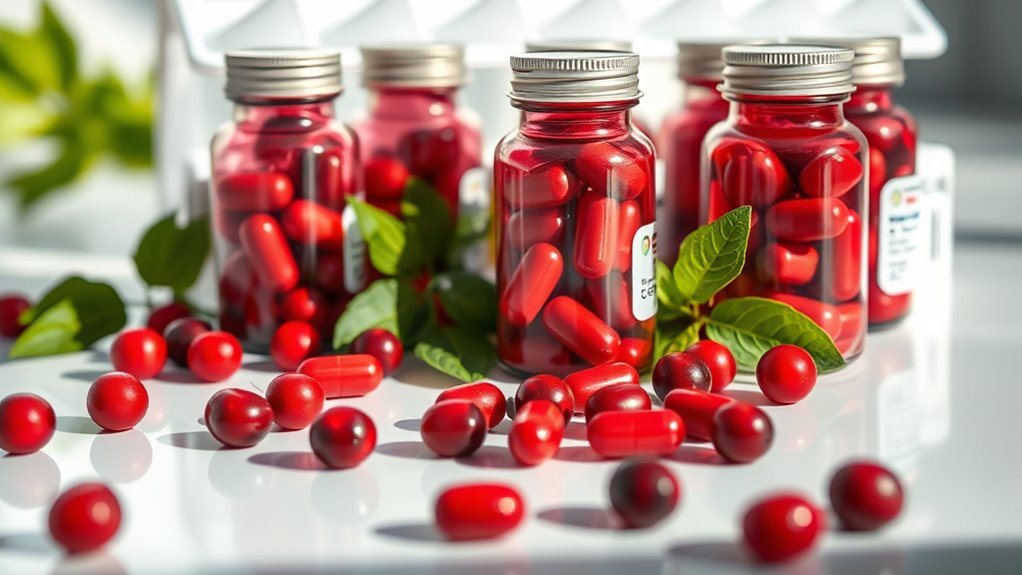
Cranberry supplements are concentrated forms of cranberries, usually in capsules or tablets, made to give you the fruit’s benefits without needing to eat a lot of berries.
These supplements are connected to cranberry farming, which involves growing and harvesting cranberries for different uses. The farming process ensures the berries are high-quality and full of antioxidants, vitamins, and compounds like proanthocyanidins, which help support urinary tract health.
Cranberry farming produces high-quality berries rich in antioxidants and proanthocyanidins for urinary and immune health support.
Taking supplements makes it easy to get these benefits, especially when fresh cranberries aren’t always available. Cranberry farming involves managing wetlands and fields to produce the best fruit, making these supplements a dependable source of their active ingredients.
Because they are concentrated, cranberry supplements can boost your immune system, help prevent urinary tract infections, and provide antioxidant support. They’re a practical way to enjoy the nutritional power of cranberries without the need for extensive cultivation or eating large amounts of berries.
How Much Cranberry Supplement Is Safe to Take?
It’s best to stick to the recommended daily dosage of cranberry supplements to keep things safe. Taking more than what’s advised can sometimes cause problems like stomach upset or even kidney issues. So, it’s really important to know the safe limits and pay attention to how your body feels.
Recommended Daily Dosage
A typical safe daily dosage of cranberry supplements ranges from 400 to 1,200 milligrams of cranberry extract, depending on the concentration and form of the supplement. When choosing a supplement, consider how cranberry cultivation and manufacturing influence potency and purity.
To help guide you, here are some key points:
- Check the label: Look for standardized extracts with clearly marked cranberry content to ensure consistent dosing.
- Consider supplement form: Capsules, tablets, or liquids may absorb differently, which affects how much you need to take.
- Follow dosing guidelines: Stick to manufacturer instructions and ask for advice if you’re unsure, especially if your supplement comes from different cranberry cultivars or processing methods.
Sticking to recommended dosages helps you enjoy health benefits without risking excess intake.
Signs of Excess Intake
While cranberry supplements are generally safe when taken in recommended amounts, taking too much can cause some unwanted signs. You might notice stomach upset, diarrhea, or kidney discomfort if you go overboard.
Fatigue or headaches might also appear as your body reacts to too many cranberry compounds. Keep an eye on the taste—if your supplement suddenly tastes bitter or metallic, it could be a sign you’re using too much.
Proper storage is important too. Store your supplements in a cool, dry place away from sunlight to prevent spoilage. These signs mean your intake is too high, so it’s best to cut back right away.
Staying within safe limits helps you enjoy the benefits without risking side effects. If you’re unsure about your dose or experience any problems, always check with a healthcare professional.
What Factors Affect the Right Cranberry Dose for You?

When figuring out the right cranberry dose for you, your age, health status, and any medical conditions you might have all play a part. It’s not a one-size-fits-all situation, so what works for one person might not be ideal for another.
Plus, keep in mind that supplement concentrations can vary quite a bit. That means even if two people are taking what seems like the same dose, the actual amount of active ingredients might be different. Thinking about these factors can help you find a safe and effective amount to include in your routine.
Age and Health Status
As you consider taking cranberry supplements, it’s important to remember that your age and overall health can influence the right dosage. Aging can change how your body processes supplements, making you more sensitive or affecting absorption.
Your health conditions, like kidney issues or medication interactions, also matter a lot. Be sure to keep these points in mind:
- Older adults might need lower doses because they can be more sensitive or experience aging effects.
- If you have health conditions, it’s a good idea to talk to a healthcare professional before changing your intake.
- Some medications, such as blood thinners, can interact with cranberry supplements and might require dose adjustments.
Supplement Concentration Variance
The concentration of cranberry supplements varies widely, and several factors influence the right dose for you. Supplement variability often results from differences in manufacturing processes and ingredient quality, leading to inconsistencies between brands or batches. These differences mean that one supplement might contain more or less cranberry extract than what’s on the label.
Because of this, you can’t assume a standard dose works for everyone. Always check the label for standardized extract percentages and follow dosage recommendations. Keep in mind that higher concentrations aren’t always better, especially if your body is sensitive.
Adjust your intake cautiously, and consider starting with a lower dose to see how your body responds. This way, you can avoid overconsumption and potential side effects.
Existing Medical Conditions
Certain medical conditions can influence how much cranberry supplement is safe for you. If you have specific health issues, be aware of potential risks.
- Kidney problems: Cranberry can interact with medications for kidney stones and affect how your body processes them.
- Bleeding disorders: Cranberry might increase bleeding risk, especially if you’re taking blood thinners.
- Allergic reactions: Some people may experience allergies to cranberries, leading to symptoms like itching or swelling.
Always talk to your healthcare provider before adjusting your dose, especially if you have existing medical conditions. They can help you figure out the right amount and monitor for any adverse effects. Remember, more isn’t always better—your personal health factors matter.
How to Recognize If You’re Overdoing Cranberry Supplements

If you notice any unusual symptoms after taking cranberry supplements, it’s a sign you might be overdoing it. Pay attention to how your body responds, especially if you experience stomach upset, nausea, or diarrhea. These can indicate you’re taking too much.
Watch for stomach upset, nausea, or diarrhea—signs you’re taking too much cranberry supplement.
Also, think about the flavors you prefer. If you suddenly crave or avoid certain tastes, it might be your body’s way of adjusting to high doses. Check your packaging options too; some supplements are concentrated or come in large doses, making it easy to accidentally take too much.
Be mindful of portion sizes and avoid doubling up on doses without guidance. Overdoing it can strain your kidneys or cause digestive discomfort. If you notice these signs, review your supplement routine and cut back if needed.
Staying within recommended guidelines helps prevent any negative effects. It keeps your cranberry supplement routine safe and effective.
What Are the Potential Side Effects of Excessive Cranberry Intake?
Consuming too much cranberry can lead to some unwanted side effects, especially if you go overboard on the recommended amounts. Too much might cause issues like stomach upset or even kidney stones. Here are some potential side effects to watch out for.
Excessive cranberry intake can cause digestive discomfort such as diarrhea or nausea, which can disrupt your routine. Cranberries contain oxalates, and in high amounts, they might contribute to kidney stone formation.
Eating too many supplements could also change the flavor, making things bitter or overly tart, which can make enjoying your food or drinks less pleasant.
To avoid these problems, store your supplements properly in a cool, dry place, and stick to the recommended doses. Proper storage helps keep them fresh and potent.
Common Mistakes When Using Cranberry Supplements and How to Avoid Them
A lot of people make the mistake of taking too much cranberry supplement, thinking more is better. But actually, overdoing it can increase the chances of side effects, which nobody wants. It’s important to stick to the right amount to keep things safe.
Another common mistake is not paying attention to the recommended dosage. Using too little or too much can cause health issues or simply not give you the benefits you’re looking for. So, it’s always best to follow the guidelines and, if you’re unsure, check with your healthcare provider. Just a little caution goes a long way!
Overconsumption Risks
Are you aware of the risks associated with taking too much cranberry supplement? Overconsumption can lead to unwanted side effects or health issues. Here are three common mistakes to avoid:
- Ignoring dietary restrictions, which may cause adverse reactions or interactions with medications.
- Relying on poorly sourced supplements, risking contamination or inconsistent potency.
- Assuming more is better. Excessive intake can cause stomach upset, kidney stones, or digestive problems.
To stay safe, always check supplement sourcing from reputable brands, follow recommended doses, and consider your dietary restrictions. Remember, taking too much doesn’t mean better benefits. Moderation is key to avoiding overconsumption risks.
Incorrect Dosage Usage
Even though cranberry supplements can offer health benefits, using the wrong dosage can undermine their effectiveness or cause side effects. Many people fall prey to myths suggesting more is always better, but exceeding recommended doses can lead to issues like stomach upset or kidney problems.
To avoid this, follow the proper dosage guidelines instead of making assumptions.
| Incorrect Usage | Correct Approach |
|---|---|
| Doubling doses without advice | Stick to recommended doses |
| Ignoring serving sizes | Read labels carefully |
| Taking supplements sporadically | Maintain consistent intake |
| Believing more improves results | Trust scientific guidelines |
| Relying on supplement myths | Consult healthcare professionals |
Sticking to accurate dosages helps ensure safety and maximizes benefits while steering clear of common supplement myths.
Ignoring Medical Advice
Ignoring medical advice can lead to unnecessary health risks when using cranberry supplements. Many people fall for dietary myths or supplement myths, believing they can self-diagnose and adjust doses without guidance. This can result in overconsumption or interactions with medications.
To avoid these pitfalls, don’t assume cranberry supplements are safe for everyone—talk to your healthcare provider first. Be cautious of claims that natural means risk-free, because even natural products can cause side effects.
Avoid ignoring medical advice when changing your routine. Personalized guidance from your doctor helps ensure safe use. Skipping professional input can increase the chance of side effects, especially if you’re on other medications or have health conditions.
Always trust your doctor’s advice over myths or misconceptions.
Tips for Safely Incorporating Cranberry Supplements Into Your Routine
To safely incorporate cranberry supplements into your routine, start with the right dosage and stick to it consistently. Follow the recommended serving size on the label or your healthcare provider’s advice.
When choosing supplements, consider flavor pairing—some capsules or gummies might have added flavors that make them easier to take regularly. Proper storage is also important; keep bottles in a cool, dry place away from direct sunlight to maintain their potency.
Avoid mixing cranberry supplements with hot liquids or exposing them to moisture, as this can degrade their quality. Establish a routine by taking your supplements at the same time each day, maybe with a meal to help absorption and reduce stomach upset.
Staying consistent and mindful of these tips will help you safely enjoy the potential benefits of cranberry supplements without exceeding recommended amounts.
What Does Research Say About Cranberry Supplement Safety?
Research indicates that cranberry supplements are generally safe for most people when used as directed, but it’s important to take into account individual health conditions and potential interactions. Historically, cranberries have been valued for their medicinal and dietary uses, especially by Native American tribes who recognized their health benefits. Today, their cultural significance persists, especially in promoting urinary tract health.
Cranberry supplements are generally safe when used appropriately, but individual health and medication interactions should be considered.
Here are three key insights from research:
- Limited Side Effects: Most users experience minimal side effects, though some may encounter stomach upset or allergic reactions.
- Interactions with Medications: Cranberry supplements can interact with blood thinners, increasing bleeding risk.
- Long-term Safety: While short-term use appears safe, research on prolonged high-dose intake is limited, emphasizing the need for moderation.
Understanding this research helps you make informed decisions, respecting the historical and cultural value of cranberries while prioritizing your health.
When Should You Talk to a Healthcare Professional About Cranberry Use?
While cranberry supplements are generally safe for most people, there are specific situations where you should talk to a healthcare professional. If you’re taking other medications, especially blood thinners or diuretics, dietary interactions could happen, increasing bleeding risk or affecting how your body processes the supplement.
It’s also important to chat with a healthcare provider if you’re thinking about using cranberry supplements as an alternative remedy for urinary tract issues or other health concerns. If you notice side effects like stomach upset, allergic reactions, or unusual symptoms, seek medical advice right away.
If you’re pregnant, breastfeeding, or managing chronic health conditions, getting professional guidance is essential to stay safe. Remember, even natural remedies can sometimes cause unexpected effects or interfere with your current treatments.
Consulting a healthcare professional helps you make informed choices and avoid potential complications when adding cranberry supplements to your routine.
Balancing Cranberry Supplements With Your Overall Health Habits
Integrating cranberry supplements into your routine means balancing them with your overall health habits to make sure they support your well-being effectively. To do this, consider these key points:
Balancing cranberry supplements with healthy habits maximizes their benefits for your well-being.
Try experimenting with flavor combinations—adding cranberry supplements to smoothies or yogurt can make them taste better and boost their nutrition.
Make sure to follow proper storage tips by keeping supplements in a cool, dry place. This helps preserve their potency and prevents spoilage.
Lastly, maintain a balanced diet and exercise regularly to complement your supplement routine. This way, your overall health stays on track.
Frequently Asked Questions
Can Cranberry Supplements Interact With Prescription Medications?
Cranberry supplements can interact with prescription medications, especially blood thinners like warfarin. They may affect how the supplement is absorbed and can increase the risk of bleeding.
If you’re allergic to cranberries, you might have allergic reactions. It’s always best to check with your healthcare provider before adding cranberry supplements to your routine.
This is especially important if you’re on medication, to avoid any adverse interactions and ensure safe use.
Are There Age Restrictions for Taking Cranberry Supplements?
Yes, there are age restrictions for taking cranberry supplements. Children generally shouldn’t take high doses without talking to a doctor because their bodies process supplements differently.
For adults, it’s important to follow the recommended dosage and consider taking it with meals to avoid stomach upset. Always check with a healthcare professional, especially for seniors or children, to ensure safe and appropriate cranberry intake based on age and health conditions.
How Long Can I Safely Take Cranberry Supplements Continuously?
You can usually take cranberry supplements continuously for up to six months. Just make sure to follow the recommended dosages to keep it safe in the long run.
Taking too much might upset your stomach or cause kidney problems. Keep an eye on how your body responds, and talk to a healthcare professional if you’re planning to use them longer than six months.
Regular check-ins are a good idea, especially if you have health issues or are on other medications. This helps ensure you’re staying safe and getting the benefits.
Can Cranberry Supplements Replace Antibiotics for Urinary Infections?
It might seem like a coincidence, but cranberry supplements aren’t a substitute for antibiotics when treating urinary infections. While they’re a popular natural remedy and support immune health, they don’t kill bacteria like antibiotics do.
Relying solely on cranberry supplements can delay proper treatment and make the infection worse. Always talk to your healthcare provider to get the right diagnosis and ensure effective treatment, especially for serious infections.
Are Organic Cranberry Supplements More Effective Than Non-Organic Ones?
Organic cranberry supplements often have better organic efficacy and supplement purity, making them a good choice for many users. You might find they contain fewer pesticides and additives, which can improve absorption and effectiveness.
However, the overall benefit really depends on the quality of the product and your individual health needs. Always check labels and choose trusted brands to ensure you’re getting the most out of your supplement.
Conclusion
Remember, while cranberry supplements can boost your urinary health, moderation is key—more isn’t always better.
Did you know that studies find up to 1,200 mg of cranberry extract daily is generally safe?
Just like with any supplement, listening to your body and consulting a healthcare professional ensures you enjoy the benefits without risks.
Balance your routine, stay informed, and enjoy the natural support cranberry can offer for your well-being.