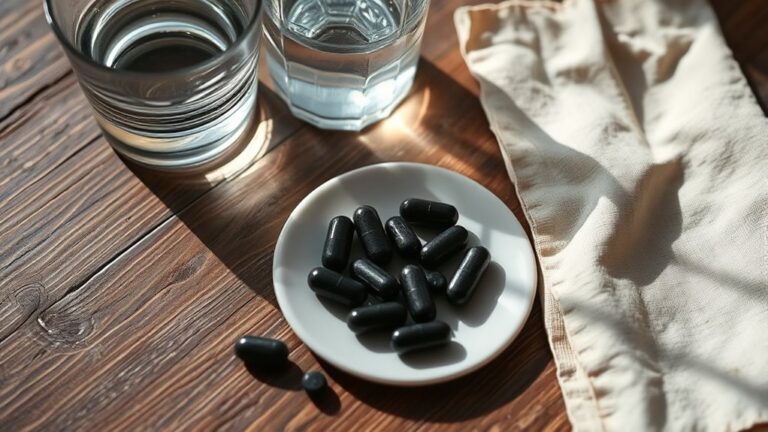


Navigating Side Effects of Beef Liver Supplements
Many people struggle with choosing the right supplements and staying safe while doing so. If you’re considering beef liver supplements, you’re not alone—navigating potential side effects can feel overwhelming.
To navigate side effects of beef liver supplements, start with small doses and gradually increase based on how your body responds. Watch for digestive issues like nausea or stomach cramps, and be alert for allergic reactions such as swelling or difficulty breathing.
Keep track of your vitamin A intake to prevent overdose, and use supplements with proper certification. If symptoms worsen or persist, consult a healthcare provider.
Keep going to uncover more tips for safe and effective use.
Key Takeaways
- Start with small doses and gradually increase to see how your body reacts and to avoid digestive issues.
- Keep an eye out for allergic reactions like swelling, hives, or trouble breathing, and get help right away if they happen.
- Don’t take too much beef liver supplement to prevent vitamin A overdose and keep your nutrient levels balanced.
- Take your supplements with meals and choose gentle cooking methods to make them easier to digest.
- Regularly check your intake and talk to healthcare providers for personalized advice and to handle any side effects.
Are Beef Liver Supplements Safe? Recognizing Risks and Side Effects

While beef liver supplements can be a good source of nutrients, they may not be safe for everyone. These supplements have been used in many cultures for their health benefits and high nutrient content.
In some societies, eating liver was linked to strength and vitality, making it a cultural staple. But just because people have used it for a long time doesn’t mean it’s safe for everyone.
Certain individuals, like those with specific health conditions or allergies, might experience side effects. Plus, risks like contamination or taking too much vitamin A are real concerns.
While the tradition behind liver consumption adds credibility, it doesn’t replace modern safety advice. Before adding beef liver supplements to your routine, talk to a healthcare professional to weigh the benefits and risks.
Common Side Effects of Beef Liver Supplements
You might notice some digestive issues, like feeling queasy or bloated, after taking beef liver supplements. It’s pretty common and usually not a big deal, but it’s good to keep an eye on how your body reacts.
There’s also a chance of taking in too much of certain vitamins, especially vitamin A, if you’re not careful with your intake. Overdoing it can lead to some unwanted side effects. Being aware of these common issues can help you use the supplements safely and avoid any unnecessary problems.
Digestive Discomfort Risks
Consuming beef liver supplements can sometimes cause digestive discomfort, especially if your body isn’t used to processing high amounts of organ meats. Your digestive system might react to the rich, dense nutrients found in liver, leading to symptoms like bloating, nausea, or stomach cramps.
To reduce these issues, try adjusting your intake gradually. Pay attention to cooking methods and flavor variations, as they can also affect digestibility.
Here are some tips to help you feel better:
- Use milder cooking methods like steaming or boiling to make digestion easier.
- Add herbs or spices to enhance flavor and improve palatability.
- Start with small doses and increase slowly over time so your body can adapt comfortably.
Vitamin Overdose Potential
One of the main concerns with beef liver supplements is the risk of vitamin overdose, especially since liver is naturally high in vitamins like A and B12. Eating too much can cause toxicity and disrupt nutrient absorption, leading to health problems.
To understand the risks better, check out this table:
| Vitamin | Overdose Symptoms | Interactions to Watch |
|---|---|---|
| A | Headaches, dizziness | Some medications might make toxicity worse |
| B12 | Skin rash, nerve issues | Supplements could interfere with absorption |
| D | Nausea, weakness | Too much can affect calcium balance |
Keeping track of your intake can help prevent overdose. Be careful with supplement interactions that could increase risks, and always talk to a healthcare professional to find safe dosages.
How to Recognize Digestive Issues From Beef Liver

You might start to notice things like stomach pain, nausea, or diarrhea after taking beef liver supplements. These could be signs that your digestive system isn’t handling it well. It’s really important to pay close attention to how your body reacts.
If these symptoms stick around or get worse, don’t hesitate to see a healthcare professional. They can help figure out what’s going on and suggest the best course of action.
Common Digestive Symptoms
How can you tell if beef liver supplements are upsetting your digestion? You might notice certain symptoms that point to digestive discomfort. Common signs include bloating, stomach cramps, and irregular bowel movements. These symptoms can be linked to the high levels of beef liver nutrition, which can sometimes overwhelm your digestive system.
It’s also important to consider supplement storage. If supplements aren’t stored properly, they can cause irritation or spoilage, making symptoms worse. Watch out for:
- Nausea or stomach upset after taking the supplement
- Diarrhea or constipation
- Excessive gas or abdominal discomfort
Recognizing these signs can help you see if your body is reacting negatively to the supplement. This way, you can adjust your intake or talk to a healthcare professional.
When to Seek Help
If digestive symptoms from beef liver supplements become persistent or severe, it’s important to know when to seek medical help. Persistent nausea, vomiting, diarrhea, or abdominal pain could be signs of a serious reaction or interactions with your medications or dietary restrictions.
Be on the lookout for symptoms like blood in stool or dizziness, which need immediate attention. Use this table to help guide your decision:
| Symptom | Possible Cause | Action |
|---|---|---|
| Severe abdominal pain | Digestive distress or supplement interactions | Seek medical care promptly |
| Blood in stool | Potential bleeding or reaction | Visit your healthcare provider |
| Continuous nausea or vomiting | Nutritional imbalance or intolerance | Contact your doctor |
Recognizing these signs helps ensure you get the right treatment and avoid complications.
Signs of Allergic Reactions to Beef Liver Supplements
While beef liver supplements are generally safe for most people, some might have allergic reactions. These happen when your immune system mistakenly attacks proteins in the supplement, causing uncomfortable symptoms. Recognizing these signs early can help you get treatment quickly and avoid serious reactions.
Watch out for symptoms like hives, swelling, or itching, especially around your face, lips, or throat. Difficulty breathing or wheezing are also common warning signs. You might also experience stomach pain, nausea, or vomiting.
If you notice any of these symptoms, stop taking the supplement right away. Allergic reactions can get worse quickly, so seek medical help if needed. Even mild symptoms shouldn’t be ignored, as they could mean your immune system is reacting. Being aware of these signs helps keep you safe while using supplements.
How to Avoid Vitamin a Overdose From Supplements

To prevent vitamin A overdose from supplements, it’s important to stick to recommended daily doses and avoid taking multiple sources of vitamin A at once. Overdoing it can lead to serious health issues, so moderation is key.
Pay attention to your supplement labels and consult with a healthcare professional if you’re unsure about your intake. When consuming beef liver, cooking methods matter; gentle cooking preserves nutrients and prevents unnecessary nutrient loss, helping you maintain nutrient balance.
Incorporating a variety of foods ensures you get a broad spectrum of vitamins without relying heavily on supplements. Be cautious of fortified foods that may contain added vitamin A, as these can contribute to exceeding safe limits.
Regularly monitoring your total intake helps avoid overdose risks. Remember, keeping your supplement use aligned with dietary intake and cooking practices promotes safety and supports overall health without risking vitamin A toxicity.
How to Choose Safe and High-Quality Beef Liver Supplements
Choosing high-quality beef liver supplements starts with checking the source. Look for products from reputable brands that provide transparent sourcing information, ideally from grass-fed or pasture-raised animals. This guarantees you’re getting a cleaner, more nutrient-rich supplement.
Next, consider flavor variations. Some supplements are flavored to mask the natural taste, making them easier to incorporate into your routine. Also, pay attention to the form of the supplement, such as capsules or powders, to suit your preferences.
When selecting, examine the recommended cooking methods if you plan to incorporate fresh liver into your diet. This helps ensure you retain maximum nutrients. To identify quality products, look for labels indicating third-party testing and minimal additives.
How to Start Beef Liver Supplements Safely
Starting beef liver supplements safely involves gradually introducing them into your routine and paying attention to how your body responds. Since beef liver is rich in vitamins like B12, iron, and other nutrients, your body needs time to adjust.
Begin with a small dose, like half a capsule or a quarter teaspoon of powder, and see how you feel over a few days. This slow start helps you gauge your tolerance and reduces the risk of side effects.
Keep in mind that how effective the supplement is can vary based on your health and diet, so patience is important. If you notice any adverse reactions like nausea or digestive discomfort, cut back or stop altogether.
Starting slowly allows your body to adapt and helps you decide if beef liver supplements are a good addition to your nutrition plan. Always listen to your body and talk to a healthcare professional if needed.
Determining the Right Dosage for Your Needs
Finding the right dosage of beef liver supplements depends on your personal health goals, nutritional needs, and how your body reacts to the supplement. To get the right balance, start with a small dose and gradually increase it, paying attention to how you feel.
Start with a small dose of beef liver supplements, then gradually increase while monitoring your body’s response.
Keep in mind that when you take your supplements can affect how well your body absorbs the nutrients. Taking them with meals might help your body get more from them.
Here are some key points to remember:
- Adjust the dosage based on your specific nutritional goals
- Don’t take more than the recommended serving size
- Be consistent with your supplement timing to see the best results
When to Consult Your Healthcare Provider About Side Effects
If you start noticing strange symptoms or if the discomfort from taking beef liver supplements just won’t go away, it’s a good idea to check in with your healthcare provider. Don’t wait too long if something feels off—that way, you can catch any issues early on.
And hey, if you experience severe reactions like trouble breathing, chest pain, or really noticeable swelling, make sure to seek urgent medical care right away. It’s always better to be safe and get professional advice rather than ignore warning signs. Your health matters!
Recognizing Unusual Symptoms
While most people tolerate beef liver supplements without issue, paying attention to unusual symptoms is essential. If you notice side effects outside the common ones, it’s time to consult your healthcare provider.
Watch for signs like severe allergic reactions, persistent fatigue, or unusual bleeding. These symptoms might mean your body isn’t responding well, whether you’re using beef liver for cooking or traditional remedies.
Unusual symptoms can also include digestive upset, skin rashes, or dizziness. Don’t ignore these signals—they could be signs of vitamin overdose or other adverse effects.
Getting prompt medical advice helps prevent complications and ensures you’re safely benefiting from the supplement. If you experience any of these, seek professional guidance immediately.
Persistent Discomfort Signs
Persistent discomfort after starting beef liver supplements shouldn’t be ignored, as it might mean your body is reacting negatively. While beef liver is great for boosting iron levels and nutrients, poor quality sourcing can cause unwanted side effects.
If you keep experiencing stomach pain, fatigue, or nausea, it’s a good idea to see your healthcare provider. These signs could mean you’re intolerant or having an adverse reaction.
Check the table below to understand common symptoms and what might be causing them:
| Symptom | Possible Cause |
|---|---|
| Abdominal pain | Contaminated supplement ingredients |
| Nausea or vomiting | Too much vitamin A |
| Fatigue | Iron overload |
| Bloating or gas | Difficulties digesting the supplement |
| Headaches | Toxins or impurities from sourcing |
Always pick supplements from reputable sources to stay safe.
When to Seek Urgency
Knowing when to seek urgent medical attention is essential if side effects from beef liver supplements become severe or suddenly worsen. If you experience symptoms like intense abdominal pain, difficulty breathing, or sudden weakness, don’t delay. These could be signs of serious reactions.
Beef liver’s cultural significance and culinary uses make it popular, but overuse can lead to toxicity. Be alert for warning signs like severe allergic reactions, such as swelling or hives, unusual bleeding or bruising, and sudden chest pain or confusion.
If any of these occur, contact your healthcare provider immediately. Prompt care can prevent complications. Always consider the cultural importance and culinary uses of beef liver, but prioritize your health if side effects escalate.
Monitoring Your Body’s Response and Adjusting Use
Pay close attention to how your body reacts after starting beef liver supplements. This can help you figure out if the dosage is right for you. Keep track of any changes in energy, digestion, or allergic reactions.
If you notice any adverse effects, consider reducing your dose or pausing use. Monitoring your response also means thinking about your dietary restrictions; some people might need to avoid certain ingredients or sources.
Always choose supplements with proper certifications to ensure quality and safety. These certifications confirm that the product has been tested for contaminants and meets manufacturing standards.
Adjusting your intake based on how you feel is key to minimizing side effects. Regularly talking with a healthcare professional can give you personalized guidance, especially if you have health conditions.
Frequently Asked Questions
Can Beef Liver Supplements Interact With Other Medications?
Think of beef liver supplements as a busy crossroads. They can interact with other medications through potential drug interactions.
Some drugs, like blood thinners or antibiotics, might clash with the supplement’s nutrients. To keep things safe, it’s a good idea to check with your healthcare provider before adding beef liver to your routine.
Being cautious helps you avoid unexpected side effects and keeps your health journey smooth and harmonious.
Are There Specific Groups Who Should Avoid Beef Liver Supplements?
If you have specific dietary restrictions or are pregnant, you should avoid beef liver supplements. They can contain high levels of vitamin A, which might harm your pregnancy or conflict with your dietary needs.
Always consult your healthcare provider before starting supplements, especially if you’re pregnant or have health conditions. Being cautious guarantees you avoid potential risks and get the safest, most beneficial nutrition.
How Long Does It Take to Notice Side Effects?
You might notice side effects within a few days to a week after starting beef liver supplements, depending on your dosage timing and individual sensitivity.
Symptoms like digestive discomfort or allergic reactions can show up quickly, often within the first few days.
To lower the risks, start with a low dose and keep an eye on how your body reacts.
If side effects stick around or get worse, it’s a good idea to see a healthcare professional right away.
Can Beef Liver Supplements Cause Heavy Metal Accumulation?
In the days of knights and castles, people worried about heavy metal buildup. Today, it’s a real concern with beef liver supplements. Yes, these supplements can cause heavy metal accumulation if they come from contaminated sources, affecting their safety.
It’s really important to choose high-quality, tested products. Regularly monitoring your intake and talking to a healthcare professional can help prevent dangerous buildup. That way, you can enjoy the benefits without risking toxicity.
Are There Natural Alternatives to Beef Liver Supplements?
Yes, you can find natural alternatives to beef liver supplements. Plant-based options like spirulina, chlorella, and seaweed are packed with nutrients and offer many of the same vitamins and minerals found in liver.
Adding these to your diet can help boost your nutrient intake without the worry of heavy metals. Plus, they’re more sustainable and can support your health naturally.
These plant-based options are a great choice if you’re looking for natural, ethical supplements that can help you stay healthy.
Conclusion
Think of your body as a delicate garden, where each supplement is a seed. When you’re aware of potential side effects and take care to monitor your reactions, you’re nurturing growth instead of chaos. Respect the signs your body gives you, like a gardener tending to each plant’s needs.
With mindful care, you’ll cultivate health and harmony. This approach allows your well-being to flourish quietly, like a garden thriving in the gentle sunlight of knowledge and caution. Being mindful of side effects is especially important when taking beef liver supplements.