
Best Time to Eat After Iron Supplement?
Many people struggle with getting the most out of their iron supplements. It can be frustrating to take them regularly and still not see the benefits you’re hoping for. If you’re looking to boost your iron absorption, you’re not alone—this is a common concern.
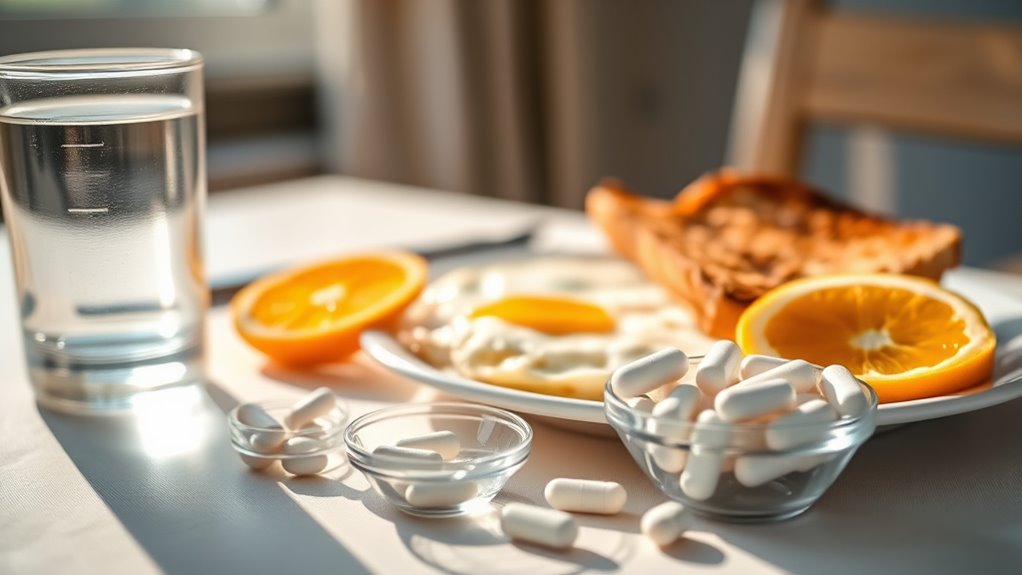
You should wait at least 30 to 60 minutes after taking your iron supplement before eating. This waiting period helps maximize absorption and prevents foods like dairy, tea, coffee, or high-fiber foods from reducing how much iron your body absorbs.
For better results, include vitamin C-rich foods during that window to boost absorption. If you want to learn more about optimizing your iron intake and avoiding common mistakes, keep exploring these helpful tips.
Key Takeaways
- Wait about 30 to 60 minutes after taking your iron supplement before eating.
- Try not to eat right away to get the most benefit from the iron.
- During this waiting time, include vitamin C-rich foods in your meals to boost absorption.
- Stay away from foods high in calcium or tannins right after taking your supplement.
- Follow the instructions on your supplement label, as some may be best taken with meals.
When’s the Best Time to Take Your Iron Supplement?
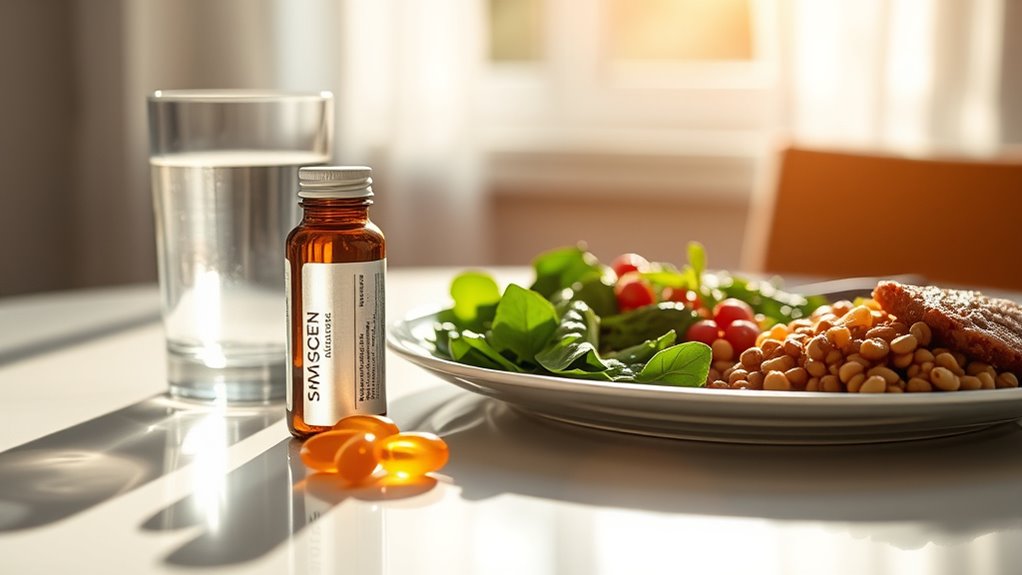
The timing of when you take your iron supplement can really affect how well your body absorbs it. If you’re dealing with iron deficiency, choosing the right moment is key.
Taking your supplement at the wrong time might make it less effective because your body won’t absorb it as well. Usually, it’s best to take iron when your stomach is fairly empty—about an hour before meals or two hours after eating—to get the most out of it.
It’s also important to avoid foods and drinks that can block absorption, like coffee, tea, or calcium-rich products. These can interfere with how much iron your body takes in.
Consistency matters too. Try to take your supplement at the same time every day so your body gets used to it. If you’re unsure, talk to your healthcare provider. They can help you find the best schedule for you.
Getting the timing right can help you fix iron deficiency more effectively and make sure your body gets the nutrients it needs.
Should You Take Iron on an Empty Stomach?
Taking iron on an empty stomach can maximize absorption, but it’s not always practical or comfortable for everyone. If you’re dealing with iron deficiency, timing your supplement right is important, and taking it on an empty stomach can make it more effective.
However, some people experience stomach upset, nausea, or indigestion when they take iron this way. This can make it hard to stick with the routine. If you’re sensitive, try taking iron with a small amount of food or after a light snack to reduce discomfort, even if it slightly lowers absorption.
Ultimately, the best approach depends on your tolerance and how severe your deficiency is. Talk to your healthcare provider to find what works best for you. While taking iron on an empty stomach can boost absorption, balancing that with your comfort helps you stay consistent with your treatment.
How Soon After Taking Iron Should You Eat?
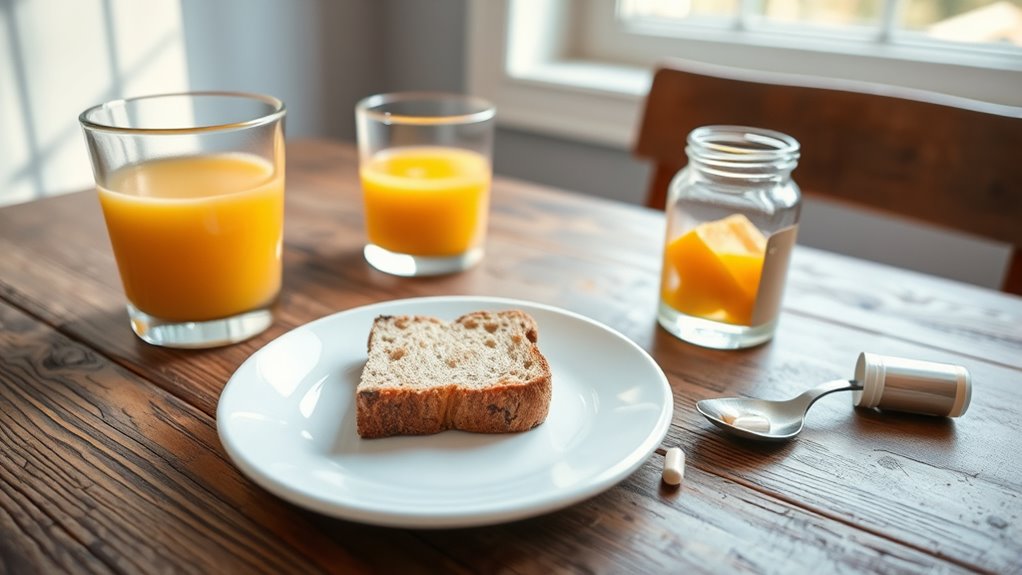
You should wait around 30 to 60 minutes after taking your iron supplement before eating anything. If you eat too soon, it can actually reduce how well your body absorbs the iron, which means it might not work as effectively.
Getting the timing right helps your body absorb more of the iron and get the most benefit from the supplement. So, giving yourself that little break before a meal can make a big difference!
Timing for Optimal Absorption
To maximize iron absorption, wait at least one to two hours after taking your supplement before eating a meal. This helps prevent food from interfering with how your body absorbs iron, which is especially important if you’re dealing with iron deficiency.
Proper timing of your supplement ensures your body absorbs as much iron as possible, making your efforts more effective. Eating too soon after taking iron can reduce its effectiveness, so plan your meals accordingly.
If you’re aiming for the best results, try to schedule your iron supplement when you won’t eat immediately afterward. Giving your body enough time to absorb the supplement fully is key.
Effects of Food on Iron
Eating too soon after taking an iron supplement can significantly reduce how much iron your body absorbs. Food, especially calcium-rich items like dairy, can interfere with absorption, making iron deficiency worse.
To get the most out of your supplement, wait at least an hour before eating. This allows your body to absorb the iron effectively. Eating on an empty stomach boosts absorption but might cause stomach upset.
If you experience discomfort, a small snack can help without greatly reducing iron absorption. Be aware of foods high in phytates or tannins, like tea and coffee, which can also block absorption.
Getting the timing right helps you maximize the benefits of your supplement, supporting your efforts to fix iron deficiency and improve your health.
Foods to Avoid Right After Your Iron Dose
Certain foods can interfere with iron absorption, so it’s best to avoid them immediately after taking your supplement.
High-calcium foods like dairy products or calcium-fortified juices can block iron uptake, increasing the chance of interactions.
Calcium-rich foods like dairy can hinder iron absorption and interfere with your supplement’s effectiveness.
Tea and coffee contain tannins that can also prevent iron absorption, so steer clear of these right after your dose.
Foods rich in phytates, such as whole grains and legumes, may impair absorption and could contribute to iron toxicity if eaten in excess.
Avoiding these foods helps ensure your body gets the most out of your supplement.
Eating the wrong foods too soon after taking iron can reduce its effectiveness and, in rare cases, lead to iron overload.
Being mindful of what you eat immediately after your dose supports better absorption, fewer side effects, and overall iron health.
The Best Meal Timing to Maximize Iron Absorption
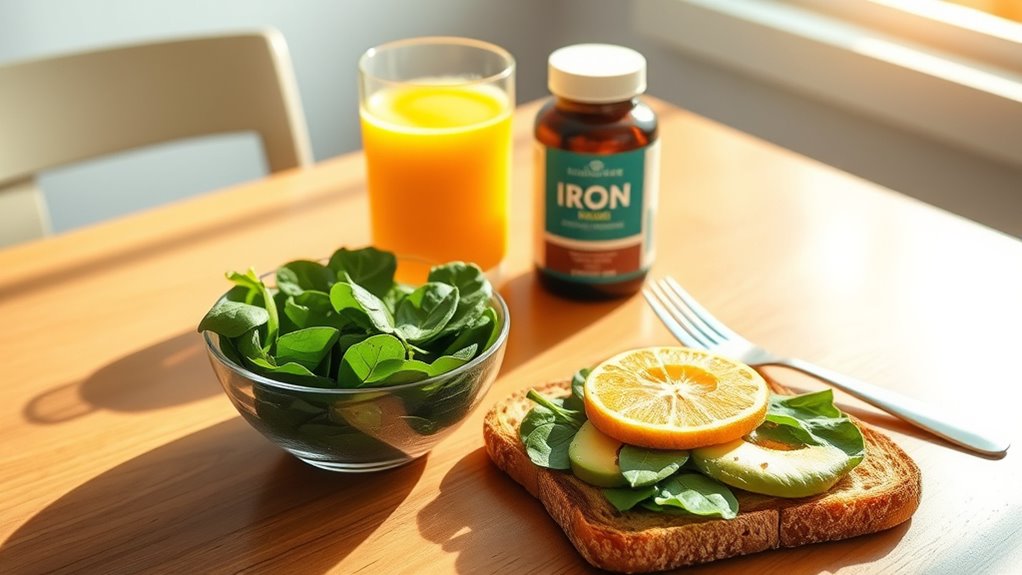
If you want to get the most out of your iron supplement, timing is everything. Think about when you’re eating and what you’re eating around the same time. For example, having foods that are high in vitamin C—like oranges, strawberries, or bell peppers—can really help your body absorb more iron.
On the flip side, there are some things you should try to avoid close to your supplement. Calcium-rich foods like dairy or calcium supplements, as well as tannins found in tea and coffee, can actually block iron absorption. So, it’s a good idea to steer clear of these around the time you take your iron.
Getting your timing right ensures you’re making the most of your supplement. It’s all about planning your meals and supplements so your body can absorb the iron effectively and do its job.
Optimal Meal Composition
Maximizing iron absorption really depends on what’s in your meal. To boost absorption, include vitamin C-rich foods like citrus or bell peppers, which help your body absorb iron better.
Try to avoid calcium-rich foods like dairy during iron-rich meals, since calcium can block iron absorption. It’s all about balancing your meal with protein and non-heme iron sources for the best results.
| Food Type | Do’s | Don’ts |
|---|---|---|
| Vitamin C foods | Oranges, strawberries | Avoid if allergic |
| Iron sources | Spinach, lean meats | Avoid calcium-rich foods |
| Calcium-rich foods | Fortified dairy, tofu | Don’t eat with iron |
This way, you’re setting yourself up for better iron absorption by paying attention to meal timing and what you include.
Timing Relative to Meals
Timing plays a crucial role in how well your body absorbs iron from supplements and meals. If you’re dealing with iron deficiency, paying attention to supplement timing can make a big difference.
To get the most out of your supplement, it’s best to take it either on an empty stomach or with a small amount of food that doesn’t interfere with iron absorption. Taking it about an hour before meals or two hours after can boost absorption.
Avoid taking iron with high-calcium foods or drinks, as they can block absorption. Proper timing helps your body get the most benefit from your supplement, making it more effective in correcting iron deficiency.
Avoiding Iron Inhibitors
While taking iron supplements at the right time can improve absorption, certain foods and drinks can still block how effectively your body absorbs iron. To combat iron deficiency, be mindful of iron inhibitors that interfere with supplement timing.
Avoid consuming calcium-rich foods like dairy or calcium supplements around the same time as your iron. Tea and coffee contain tannins that can significantly reduce iron absorption, so it’s best to skip these beverages close to your supplement schedule.
Foods high in phytates, such as whole grains and legumes, can also inhibit iron uptake. By timing your meals to avoid these inhibitors, you can maximize iron absorption and improve your chances of overcoming deficiency.
Adjusting your supplement timing and meal choices is essential for effective iron therapy.
How Vitamin C Helps Your Body Absorb More Iron
Vitamin C plays a crucial role in helping your body absorb more iron from plant-based sources. When you eat foods like citrus fruits, bell peppers, or tomatoes with iron-rich snacks such as spinach, lentils, or beans, your body can absorb non-heme iron more effectively.
This is especially important if you’re on a vegetarian or vegan diet, where plant-based iron is the main source. Vitamin C converts iron into a form that’s easier for your body to absorb, helping to bypass inhibitors like phytates and polyphenols.
To get the most benefit, try to eat vitamin C-rich foods along with your iron-packed meals or snacks. For example, squeeze lemon juice over a spinach salad or add red peppers to your lentil stew.
Simple combinations like these can boost iron absorption and help prevent deficiencies. They also support your overall health and make sure you’re getting the most out of your foods and supplements.
Common Mistakes That Reduce Iron Effectiveness
Did you know that drinking dairy or coffee around the same time you take your iron supplement can actually block absorption? It’s true! These drinks can interfere with how well your body absorbs the iron, making the supplement less effective.
On the flip side, don’t forget to include foods rich in vitamin C, like oranges or bell peppers, because they help boost iron uptake. If you ignore these helpful foods and drinks, you’re missing out on maximizing the benefits of your supplement.
To get the most out of your iron, just steer clear of those common mistakes and focus on ways to improve absorption. It’s a simple change that can make a big difference!
Consuming Iron With Dairy
Eating dairy products like milk, cheese, or yogurt around the same time as your iron supplement can significantly reduce how well your body absorbs iron. Dairy contains calcium, which directly interferes with iron absorption, making it harder to fix iron deficiency.
If you follow your supplement guidelines, you’ll get better results by spacing out dairy intake from your iron dose. Consuming calcium-rich foods too close to your supplement can make the treatment less effective.
For the best absorption, avoid dairy for at least two hours before or after taking your iron supplement. This simple step helps your body absorb the maximum amount of iron and manage your deficiency more efficiently.
Paying attention to these details can really make a difference in managing your iron levels effectively.
Taking Iron With Coffee
Drinking coffee around the same time as your iron supplement can significantly reduce its effectiveness.
The interaction affects your body’s ability to absorb iron properly because coffee contains compounds like tannins that hinder iron absorption.
When you consume coffee too soon before or after taking iron, these tannins bind to the mineral, lowering how much iron gets into your bloodstream.
This means you’ll get less benefit from your supplement.
To get the most out of your iron, avoid drinking coffee at least one hour before or after taking it.
Instead, choose water or other beverages that don’t interfere with absorption during this time.
Being mindful of this interaction helps ensure your iron supplement works effectively and supports your health goals.
Ignoring Absorption Enhancers
While avoiding coffee around your iron supplement helps maximize absorption, many people miss out on certain foods and nutrients that boost absorption. Ignoring these enhancers can make your supplement less effective.
To get the most out of your iron, try including vitamin C-rich foods like oranges or bell peppers. These help your body absorb iron better.
Avoid taking iron with calcium-rich foods or supplements because calcium can block absorption. Also, steer clear of high-fiber foods or tea at the same time, as they can interfere with how well your body absorbs iron.
By paying attention to when you take your supplement and adding in absorption boosters, you ensure your body gets the most iron possible. This leads to quicker improvements and better results.
Don’t forget that strategic food choices can really help boost iron absorption and make your supplement more effective.
How Different Foods Impact Iron Absorption
Certain foods can significantly influence how well your body absorbs iron. If you’re dealing with iron deficiency, knowing this helps you pick the right foods to enhance your supplement effectiveness.
Vitamin C-rich foods like citrus fruits, bell peppers, and tomatoes boost iron absorption by converting iron into a form your body easily uses. On the other hand, foods high in calcium, such as dairy products, and tannin-containing items like tea and coffee can block iron absorption, even when you take supplements.
Phytates found in whole grains and legumes also interfere with iron uptake. So, timing your meals can really make a difference. To improve your iron levels, try pairing your supplements with vitamin C sources and avoid calcium-rich foods around supplement time.
Being aware of these food interactions helps you maximize the benefits of your iron supplements and can support better prevention or treatment of iron deficiency.
Tips to Minimize Side Effects When Eating After Iron
Taking iron supplements can sometimes cause side effects like stomach upset, constipation, or nausea. To help reduce these, try eating iron-rich snacks such as nuts, seeds, or dried fruits after your supplement. These foods can help protect your stomach and make you more comfortable.
It’s also important to store your iron supplement properly. Keep it in a cool, dry place away from direct sunlight. Proper storage prevents it from breaking down, so you get the right dose and avoid irritants.
When you eat after taking your supplement, avoid dairy products or caffeine. They can block iron absorption and make side effects worse. Instead, choose a light, bland snack or meal that’s gentle on your stomach.
Staying hydrated and taking your supplement with a small glass of water can also help reduce nausea. With the right snacks and storage, you can make iron supplementation more comfortable and effective.
Adjusting Meal Timing Based on Your Iron Supplement Type
The type of iron supplement you choose can influence the best timing for your meals. Different supplements, like ferrous sulfate or ferrous gluconate, may cause different side effects that can affect your meal plan.
Some forms are more likely to cause stomach upset or constipation if taken on an empty stomach. To reduce these side effects, you might need to adjust when you take your supplement—either with food or wait an hour before eating.
Certain iron forms may cause stomach upset; taking them with food or waiting before eating can help reduce side effects.
Slow-release or gentle formulations often let you take them with meals without losing absorption. Always check the instructions on your supplement label and talk to your healthcare provider for personalized advice.
Proper meal planning helps you get the most from your iron supplement while keeping side effects to a minimum. This makes it easier to stick with your treatment plan and stay healthy.
Frequently Asked Questions
Can Certain Medications Interfere With Iron Absorption?
Certain medications can interfere with iron absorption, leading to absorption disruption. For example, antacids, calcium supplements, and some antibiotics like tetracyclines or fluoroquinolones may reduce how well your body absorbs iron.
To minimize medication interactions, take your iron supplement at a different time than these drugs—usually a couple of hours apart. Always check with your doctor or pharmacist to ensure safe timing and avoid absorption issues.
Is It Safe to Take Iron Supplements Daily?
Taking iron supplements daily is generally safe if you follow your healthcare provider’s advice. About 70% of adults with iron deficiency benefit from taking them every day, but timing can matter for absorption.
To get the most out of your supplement, take it on an empty stomach or with foods high in vitamin C. Try to avoid iron-rich foods right after taking your supplement.
Incorporate proper timing and iron-rich foods into your routine to support healthy iron levels safely.
How Long Should I Wait Before Taking Other Supplements After Iron?
You should wait at least two hours after taking an iron supplement before consuming other supplements.
This helps prevent interactions that can block iron absorption, especially with calcium-rich foods or supplements.
During this time, try to eat iron-rich foods like spinach or red meat.
Plan your other supplements around this window to get the most benefit.
Getting the timing right ensures your body absorbs iron efficiently without any interference.
Does Alcohol Consumption Affect Iron Absorption?
Think of your body as a busy river, where iron absorption flows like water to nourish your cells. Alcohol interaction acts like a dam, blocking or slowing this flow, making it harder for your body to absorb iron efficiently.
Drinking alcohol while taking iron supplements can hinder absorption, so it’s best to refrain from alcohol around supplement time. This way, you guarantee your iron reaches its destination, supporting your health effectively.
Are There Specific Times of Day Best for Iron Supplementation?
You should take your iron supplement on an empty stomach for maximum absorption, ideally in the morning or at least an hour before meals.
If you experience stomach upset, try taking it with a small amount of food high in vitamin C, like orange juice.
Avoid taking iron with calcium-rich foods or caffeine, as they can hinder absorption.
Taking your supplement at the same time each day helps improve results and boosts your iron levels over time.
Conclusion
By paying attention to when and what you eat around your iron supplement, you can boost its benefits and avoid discomfort. Think of it as a delicate dance—finding the right rhythm helps your body absorb iron more effectively.
Timing is key. It’s best to take your iron supplement on an empty stomach if possible, about an hour before meals or two hours after. If it causes stomach upset, a small snack can help, but avoid dairy or high-calcium foods right around the time.
Smart food choices matter too. Vitamin C-rich foods like oranges or bell peppers can enhance iron absorption. Meanwhile, avoid tea, coffee, or calcium-rich foods during your supplement window, as they can hinder absorption.
With a bit of mindful timing and food selection, you’ll support your health journey smoothly. Paying attention to when you take your iron supplement can turn small adjustments into powerful steps toward feeling your best every day.