

What to Know About Canceled Medicare Supplement Plans by Insurer?
Worried about losing your Medicare Supplement plan? You’re not alone—many people struggle with understanding why plans get canceled and what to do next. Facing unexpected cancellations can be stressful, but knowing the reasons behind them can help you stay prepared.
If your Medicare Supplement plan gets canceled by your insurer, it’s important to understand the main reasons behind cancellations, like non-renewal, missed payments, or healthcare changes.
You have rights to appeal and options to switch plans without gaps, especially during open enrollment. Staying informed and proactive helps protect your coverage.
To learn more about what causes cancellations and how to safeguard your benefits, keep exploring these essential tips.
Key Takeaways
- Insurers might cancel plans if they’re facing financial trouble, non-renewal issues, or policy violations. It’s a good idea to keep an eye on any alerts from your insurer.
- Cancellations must follow federal and state laws, and as a beneficiary, you have the right to appeal or challenge unfair cancellations.
- During open enrollment, you can reapply or switch plans without going through medical underwriting, helping you keep your coverage intact.
- Make sure to verify why your plan was canceled and gather all necessary documents before appealing or re-enrolling. This can help you avoid coverage gaps.
- Staying informed about your insurer’s stability, plan updates, and authentic communication is key to protecting your Medicare coverage.
My Medicare Supplement Plan Was Canceled : What Now?

If your Medicare Supplement plan was canceled unexpectedly, it’s understandable to feel overwhelmed or unsure about what to do next. First, check the reason for the cancellation to see if it was due to non-payment, plan issues, or other reasons. This will help you figure out your next steps, especially when it comes to enrolling in Medicare.
You’ll want to act quickly to find alternative plans so you don’t have gaps in your coverage. Keep in mind that Medicare Supplement plans usually don’t have strict provider networks like Medicare Advantage plans do. This means you have more flexibility in choosing healthcare providers.
When comparing new plans, make sure your preferred doctors and specialists are in-network. This way, you won’t face unexpected costs. Acting fast helps you find a plan that fits your needs, keeps your healthcare access intact, and reduces any disruption during this transition.
Why Do Medicare Supplement Plans Get Canceled?
Medicare Supplement plans can sometimes get canceled for a few different reasons. For example, the insurance company might decide not to renew your policy, or they might change the coverage options available.
Sometimes, plans are canceled if the insurer is worried about their financial stability or if they decide to stop offering certain plans altogether. Knowing these common reasons can help you stay aware and prepared in case your coverage changes unexpectedly.
Policy Non-Renewal Reasons
Several key reasons can lead to the non-renewal of your Medicare Supplement plan. One common reason is if your insurer decides to stop offering the plan in your area, often because of changes in Medicare Advantage or Prescription Drug coverage options.
If your insurer faces financial or regulatory issues, they might choose not to renew your policy. Additionally, if you violate policy rules, like providing false information on your application, your plan could be canceled.
Sometimes, plans are non-renewed because of significant changes in your health or if you move out of the plan’s service area. It’s important to stay informed about your insurer’s policies and any updates related to Medicare Advantage or Prescription Drug plans, as they can impact your Medicare Supplement coverage.
Insurer Financial Stability
Have you ever wondered why your Medicare Supplement plan might be canceled unexpectedly? One key reason is the insurer’s financial stability.
If an insurance company faces insolvency, it can no longer meet its financial obligations, leading to plan cancellations. Market volatility also plays a role; sudden economic shifts can strain an insurer’s resources.
This makes it difficult to sustain certain plans. When these financial issues come up, the insurer might decide to stop offering or renewing specific Medicare Supplement plans to protect its overall stability.
While it’s frustrating, these cancellations are often driven by the insurer’s need to prevent bigger financial risks. Staying informed about your insurer’s financial health can help you understand why your coverage might be discontinued unexpectedly.
Coverage Changes or Discontinuation
Financial struggles aren’t the only reason your Medicare Supplement plan might be canceled. Coverage changes and strategic decisions by insurers also play a big role. Insurers may change policy premiums to reflect new healthcare costs or adjust benefits, which can lead to plan discontinuation.
You might face cancellation if your insurer:
- Changes coverage options, making your current plan less beneficial.
- Raises policy premiums, making the plan unaffordable for some.
- Decides to exit certain markets or stop offering specific plans altogether.
Customer service decisions also impact cancellations, especially if the insurer’s support becomes less responsive or transparent. These strategic shifts are often aimed at improving profitability but can leave you scrambling for alternatives.
Staying informed and reviewing your plan regularly helps you anticipate and navigate potential coverage changes.
How Do Insurers Decide to Cancel a Medicare Supplement Policy?
Insurers decide to cancel a Medicare Supplement policy based on specific criteria outlined in their policies and federal regulations. They typically review factors like beneficiary eligibility, compliance issues, or significant changes in your health status.
If you’ve missed premium payments or failed to meet certain requirements, your policy could be at risk. Plus, if you’ve incurred Medicare penalties or are no longer eligible due to changes in your eligibility status, the insurer may decide to cancel.
Insurers also consider whether the policyholder violates terms or commits fraud. Federal regulations protect beneficiaries from unfair cancellations, but insurers still need valid reasons aligned with their policies.
If your policy is canceled, you might face gaps in coverage or difficulty securing new plans. Staying informed about your eligibility and maintaining timely payments helps prevent cancellations.
Always review your insurer’s policies and federal rules to understand the circumstances that could lead to cancellation.
How Can I Tell If My Medicare Supplement Plan Is at Risk?
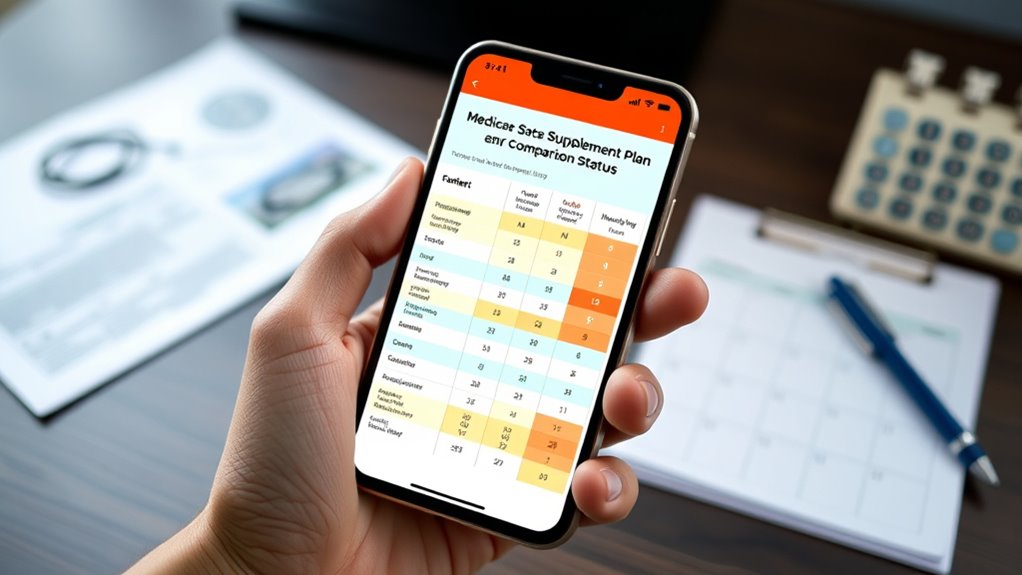
To figure out if your Medicare Supplement plan might be at risk, keep an eye on any notices or messages from your insurer. These can give you clues about potential issues with your coverage.
Here are three things to watch for:
- Changes in Medicare enrollment rules or updates that could affect your current plan.
- Notices about rising plan premiums that seem unusually high or unexpected.
- Alerts saying your insurer is reconsidering or possibly stopping certain plans in your area.
Staying informed helps you catch if your plan is in trouble before it gets canceled. Make it a habit to review correspondence from your insurer, especially during open enrollment times.
Staying vigilant with insurer correspondence helps you spot issues early and protect your coverage.
If you see anything concerning, consider comparing other plans or talking to a Medicare counselor. Being proactive means you won’t miss important changes that could threaten your coverage or raise your costs.
What Are My Rights If My Medicare Supplement Gets Canceled?
If you notice signs that your Medicare Supplement plan might be at risk of cancellation, it’s important to understand your rights and options.
First, know that insurers must follow federal and state laws when canceling plans, especially if your Medicare eligibility is still active. They typically need a valid reason, like non-payment or fraud.
If your plan is canceled unfairly, you can file a complaint with the state insurance department. You also have the right to get a written explanation from the insurer.
To protect yourself, compare different plans during open enrollment periods so you’re aware of your options if cancellation occurs.
Remember, a canceled plan doesn’t mean losing your coverage forever. You can often choose another plan after comparing options and re-enrolling.
Stay informed about your rights and keep track of key deadlines to make sure your Medicare coverage continues smoothly.
Can I Reapply or Reinstated a Canceled Medicare Plan?

When your Medicare plan gets canceled, you might wonder if you can reapply or reinstate it. The answer depends on the situation, but generally, reinstating a canceled plan isn’t straightforward. You do have some options to consider:
- Reapply during open enrollment: The Medicare Open Enrollment Period runs from October 15 to December 7. During this time, you can switch plans or re-enroll. Just keep in mind that your premiums might change based on current rates and your health status.
- Special Enrollment Periods (SEPs): If you qualify for an SEP because of specific life events, you may be able to re-enroll outside the regular periods. Timing is important here to prevent gaps in your coverage.
- Contact your insurer directly: Sometimes, plans offer reinstatement options or special cases to rejoin. Be aware that your premiums could go up, especially if your previous plan was canceled due to nonpayment or other reasons.
Always check the current enrollment periods and policies to avoid losing coverage or facing unexpected premium increases.
How to Switch to a New Medicare Supplement Plan Without Gaps
Switching to a new Medicare Supplement plan without gaps requires careful timing and planning. First, confirm your Medicare eligibility and make sure you’re enrolled in Parts A and B.
Next, start comparing plans early. Look at coverage options, premiums, and benefits. During the Open Enrollment period, usually around your 65th birthday or when your current plan is canceled, you can switch without medical underwriting.
If you’re outside this window, you might need to answer health questions or qualify for guaranteed issue plans. To avoid gaps, enroll in your new plan before canceling your current one.
Once your new plan is active, notify your insurer to cancel the old coverage. Always double-check the effective date of your new plan to ensure seamless coverage.
Planning ahead and doing a thorough plan comparison helps keep your healthcare protected without interruptions.
How Do I Appeal a Medicare Supplement Cancellation?
If your Medicare Supplement plan gets canceled, the first thing you’ll want to do is figure out why it was canceled in the first place. Understanding the reason behind the cancellation is key because it’ll guide you on what steps to take next. Once you know why it happened, you can start the process of appealing the decision.
Filing an appeal might seem a bit overwhelming at first, but don’t worry—knowing your reasons for cancellation and how to challenge them can really help you keep your coverage. So, take some time to gather any necessary information and follow the proper procedures to contest the cancellation. That way, you’re giving yourself the best shot at protecting your benefits.
Understanding Cancellation Reasons
Understanding the reasons behind your Medicare Supplement plan cancellation is key before you can effectively appeal. Insurers may cancel plans because of health trends, policy updates, or administrative issues.
To navigate this, consider these common reasons:
- Health Trends: If your health changes, insurers might reassess your risk and cancel your plan.
- Policy Updates: Changes in federal or state rules can lead to cancellations if your plan no longer meets requirements.
- Administrative Errors: Mistakes like incorrect info or missed payments can also cause your plan to be canceled.
Knowing these reasons helps you prepare your case and see if the cancellation was justified or if you have grounds to appeal. Staying informed about policy updates can also help prevent future issues.
Steps to File Appeal
When your Medicare Supplement plan gets canceled, acting quickly is key to protecting your Medicare benefits and prescription coverage.
Start by carefully reviewing the cancellation notice for reasons and deadlines.
Gather supporting documents like proof of ongoing coverage or medical records to strengthen your case.
Reach out to your insurer to learn about their appeal process and ask for a written explanation if needed.
Submit a formal appeal in writing within the given timeframe, clearly explaining why you believe the cancellation is wrong or unfair.
Be concise, stick to facts, and include any relevant evidence to support your case.
Keep copies of all your correspondence for your records.
If your appeal gets denied, you can escalate the matter to the Medicare Appeals Council for further review.
Acting quickly helps ensure your coverage stays intact.
Common Mistakes That Lead to Plan Cancellations
One common mistake that can lead to Medicare Supplement plan cancellations is not keeping your information up to date with the insurance provider. If your details, like your address or Medicare eligibility status, change and you don’t report it, your plan could be at risk.
Neglecting to review your coverage for prescription drugs can also cause issues, especially if your medication needs change. Here are some other mistakes to watch out for:
- Not updating your enrollment during open enrollment or when qualifying events occur.
- Misunderstanding plan rules around prescription drugs, which can lead to coverage gaps.
- Ignoring notices from your insurer about plan renewal or eligibility requirements.
Failing to stay proactive may result in plan cancellations, especially if your circumstances change or if your insurer finds discrepancies in your information. Staying informed and timely with updates helps ensure continuous coverage without surprises.
How to Protect Yourself From Future Coverage Gaps
To prevent future coverage gaps, it’s important to stay proactive about your Medicare Supplement plan. Regularly check your Medicare enrollment status and review your plan details to catch any changes early.
Be cautious of healthcare fraud by verifying the legitimacy of any communications or offers related to your coverage. Staying informed helps you spot potential issues before they affect your benefits.
Consider this table to guide your actions:
| Action Step | Why It Matters | Tips to Stay Protected |
|---|---|---|
| Review plan annually | Detect cancellations early | Set reminders for yearly reviews |
| Verify provider info | Avoid healthcare fraud | Confirm official contact channels |
| Stay updated on laws | Know your rights | Follow Medicare news and alerts |
Frequently Asked Questions
Can I Keep My Doctor if My Medicare Supplement Plan Is Canceled?
Yes, you can often keep your doctor if your Medicare supplement plan is canceled, but it depends on whether your doctor accepts Medicare and your plan’s coverage.
To stay with your current doctor, check if they accept your new plan or consider switching plans during renewal periods.
Plan renewal is important because it can affect your access to the same doctors.
Always verify plan details and provider networks before making any changes.
Does Plan Cancellation Affect My Part a and Part B Coverage?
When your Medicare Supplement plan is canceled, it doesn’t directly affect your Part A and Part B coverage, which remain intact.
However, you might need to renew your policy or get it reinstated if your supplement is discontinued.
It’s a good idea to review your coverage details and contact your insurer to see if you need to reapply or explore other plans.
That way, you can make sure your coverage continues without any gaps.
Are Canceled Plans Automatically Replaced With New Coverage?
Canceled plans aren’t automatically replaced with new coverage; you need to actively renew or switch plans. Insurers may cancel plans for reasons like nonpayment or underwriting issues.
Your insurer should notify you if your coverage is canceled. It’s important to review your options during open enrollment periods.
Stay proactive about renewing your plan and understanding why cancellations happen. This can help you avoid gaps in coverage and keep your Medicare supplement protected.
How Does Plan Cancellation Impact My Drug Coverage?
When your plan gets canceled, it’s like losing a safety net, and your drug coverage can fall into chaos.
You might face prescription changes and coverage gaps, making it harder to get the medicines you need.
Without your Medicare Supplement Plan, you could be vulnerable to higher out-of-pocket costs.
Stay proactive—review your options, ask about new plans, and guarantee your medications stay protected.
This way, you’re never left stranded.
What Are the Financial Implications of a Canceled Medicare Supplement Plan?
When your Medicare supplement plan gets canceled due to policy expiration or other reasons, you may face increased costs. Premium adjustments can make your coverage more expensive, especially if you need to buy a new plan later.
You might also lose some benefits temporarily, leading to higher out-of-pocket expenses. It’s important to review your options quickly to avoid gaps in coverage and unexpected financial burdens.
Conclusion
Being proactive can help you avoid coverage gaps, especially since nearly 1 in 5 Medicare beneficiaries face canceled plans each year.
Stay informed about your plan’s status, review notices carefully, and act quickly if you suspect your Medicare Supplement plan might be canceled.
By understanding your rights and options, you can ensure continuous coverage and peace of mind.
Don’t wait until it’s too late. Take charge now to protect your health and finances from the impact of canceled Medicare Supplement plans.